A Parent's Guide to 8th Grade: How to Prepare Your Child for High School Success


For many parents, 8th grade can feel like the calm before the storm, one final year of middle school before the pace and pressure of high school begin. In reality, it's one of the most important years in a student's academic journey. While colleges won't see middle school grades, the habits, confidence, interests, and learning mindset students develop during 8th grade often shape how successfully they navigate the next four years.
This is also the year when families begin asking bigger questions. Should my child take Algebra I? Are honors classes the right choice? Which extracurricular activities are actually worth pursuing? Is it too early to think about college? With so much advice available online, it's easy to feel like every decision will determine a student's future. The truth is far more reassuring: success in high school isn't built by making one perfect choice; it's built by consistently making thoughtful ones.
Preparing for high school isn't about trying to create the perfect college applicant before freshman year begins. It's about helping students become independent learners, develop strong study habits, explore genuine interests, and build the confidence to embrace new challenges. Students who enter high school with these foundations are often better prepared to take advantage of opportunities as they arise, whether that's joining a leadership club, pursuing research, tackling advanced coursework, or discovering a passion they hadn't considered before.
This guide is designed to help parents navigate that journey with clarity and confidence. We'll explore what really changes in high school, the essential skills every 8th grader should develop, how to choose classes and extracurricular activities wisely, common mistakes to avoid, and practical ways to prepare for the transition. Rather than focusing on checklists designed to impress colleges, we'll focus on helping your child build the habits, experiences, and mindset that lead to long-term success.
Because the strongest high school journeys don't begin on the first day of 9th grade, they begin with the choices, routines, and opportunities students embrace during 8th grade. By focusing on preparation instead of pressure, parents can help their children enter high school ready to learn, ready to grow, and ready to make the most of the next four years.
Table of Contents
What Actually Changes in High School? A Reality Check for Parents and Students.
The Essential Skills Every 8th Grader Should Build Before High School
How to Choose Extracurricular Activities That Actually Matter
Common Mistakes Parents Make During 8th Grade (And What to Do Instead)
Final Thoughts: Build Habits, Confidence, and Curiosity Before High School Begins
Why 8th Grade Matters More Than Most Parents Realize
When parents think about college admissions, they naturally focus on high school—and that's understandable. Colleges evaluate high school transcripts, not middle school report cards. But that often leads to a common misconception: if colleges don't see 8th grade, then 8th grade doesn't matter.
The reality is quite the opposite.
While admissions officers may never see a student's middle school grades, they will eventually see the results of the habits, confidence, and interests developed during this pivotal year. Think of 8th grade as the foundation of a house. No one admires the foundation once the house is built, but without it, everything that follows becomes more difficult.
High School Success Starts Before the First Day of 9th Grade
The transition from middle school to high school isn't simply about changing schools. It's a shift in expectations.
Students move from structured environments to greater independence. Homework becomes more demanding, teachers expect stronger time management, extracurricular opportunities expand, and every academic decision begins carrying more long-term significance.
Students who enter high school already knowing how to organize their workload, manage deadlines, ask for help, and balance academics with activities spend less time adjusting—and more time thriving.
That's why parents should view 8th grade as a preparation year, not a waiting year.
Shift the Goal: Prepare for High School, Not College
Many parents begin asking questions like:
Should my child already be thinking about college?
Do we need to build an impressive résumé now?
Are they taking enough advanced classes?
While these concerns are understandable, they're often focused on the wrong destination.
A better question is:
"What does my child need to succeed during the next four years?"
When parents shift from college preparation to high school preparation, priorities become much clearer.
Instead of chasing activities that seem impressive, students can focus on:
Building consistent study habits.
Learning how to manage their time independently.
Exploring different interests without pressure to specialize.
Becoming resilient when they encounter academic challenges.
Developing confidence to participate, lead, and ask questions.
Ironically, these are the same qualities that eventually make a college application stand out, not because they were carefully planned for admissions, but because they're authentic indicators of growth.
BetterMind Mentor's Insight: One of the biggest mistakes families make is believing they need to "get ahead" before high school starts. In our experience, the students who experience the most growth aren't necessarily the ones who begin the earliest; they're the ones who use 8th grade to build strong habits, explore meaningful interests, and develop the confidence to take on bigger opportunities when high school begins.
This Is the Year to Build Habits, Not a Résumé
Perhaps the greatest gift parents can give their children during 8th grade is the freedom to discover what genuinely excites them.
Whether that interest turns into robotics, debate, music, entrepreneurship, creative writing, coding, athletics, research, or community service is less important than learning how to commit, improve, and stay curious.
Students don't need a long list of accomplishments before freshman year. They need routines that help them succeed, confidence to try new things, and the discipline to keep showing up when learning becomes challenging. Those qualities lay the foundation for stronger academic performance, meaningful extracurricular involvement, leadership opportunities, and deeper personal growth throughout high school.
When students spend 8th grade developing these fundamentals, they're not just preparing for freshman year; they're preparing to make the most of every opportunity the next four years will bring.
BetterMind Insight
8th grade isn't about building a college application; it's about building the student who will eventually create one.
Middle school grades may not appear on college applications, but the habits developed during 8th grade often shape high school performance.
Focus on helping your child become an independent, curious, and resilient learner rather than chasing activities that simply look impressive.
The strongest college applications are rarely built in senior year; they're the natural result of four years of consistent growth that began long before high school.
What Actually Changes in High School? A Reality Check for Parents and Students.
For many students, the move from middle school to high school feels like a natural next step. The classrooms may be bigger, the campus may be new, and the schedule may look different—but surely it's just more of the same.
In reality, high school is a fundamentally different experience.
The expectations shift from simply completing assignments to managing responsibilities independently. Students are given more freedom, but they're also expected to take greater ownership of their learning, decisions, and time. Understanding these changes before freshman year can make the transition far less overwhelming for both students and parents.
Middle School vs. High School: What's Different?
While every school is unique, the transition generally follows the same pattern.
Middle School | High School |
Teachers regularly remind students about assignments. | Students are expected to track deadlines independently. |
Grades help measure progress. | Grades become part of the permanent high school transcript. |
Homework is generally shorter and more structured. | Workload increases with longer-term projects and cumulative assessments. |
Parents often communicate directly with teachers. | Students are encouraged to advocate for themselves and communicate with teachers. |
Extracurriculars are exploratory. | Activities become opportunities to demonstrate commitment, leadership, and growth over time. |
Academic choices have limited long-term impact. | Course selection can influence future academic pathways and opportunities. |
The goal isn't to make students anxious—it's to help families understand why preparing early makes the transition smoother.
Greater Independence Comes with Greater Responsibility
One of the biggest adjustments isn't academic; it's personal.
High school students are expected to manage multiple teachers, different deadlines, extracurricular commitments, social responsibilities, and often more challenging coursework, all at the same time.
There are fewer reminders and more expectations.
Students who have already learned to use a planner, organize assignments, prioritize tasks, and ask questions when they're confused usually adapt much faster than those developing these habits for the first time.
This is why 8th grade is such a valuable opportunity to practice independence while parents can still provide guidance and support.
Grades Begin to Carry More Weight
Perhaps the most obvious difference is that high school grades become part of a student's official academic record.
Freshman year isn't simply a "practice year." The grades earned in 9th grade contribute to a student's cumulative GPA, which many colleges review alongside course rigor, recommendations, essays, and extracurricular involvement.
That doesn't mean every quiz determines a student's future. Rather, it highlights the importance of developing consistent habits before those grades begin to count.
Students who enter high school already knowing how to study effectively are more likely to maintain steady academic performance throughout the year.
Coursework Becomes More Challenging
The difficulty of assignments changes, not just the quantity.
Instead of memorizing information, students are increasingly expected to analyze ideas, solve unfamiliar problems, collaborate with classmates, complete long-term projects, and communicate their thinking clearly.
Courses such as honors classes, Advanced Placement (AP) courses, or dual enrollment may become available later in high school, making strong foundational skills even more important.
Success isn't about being the smartest student in the classroom; it's about being prepared to learn consistently.
BetterMind Mentor's Insight: Students often assume that high school success comes from choosing the hardest classes. In reality, success comes from choosing courses that challenge them appropriately while leaving room to explore meaningful interests outside the classroom. Colleges value sustained growth far more than a schedule that's impressive on paper but impossible to manage.
Extracurricular Activities Become More Purposeful
High school also changes the role extracurricular activities play.
In middle school, students are encouraged to experiment with sports, clubs, music, robotics, debate, volunteering, and creative pursuits to discover what they enjoy.
In high school, that exploration gradually evolves into commitment.
Rather than joining as many activities as possible, students benefit more from staying involved in a few areas, taking on leadership roles, completing meaningful projects, and demonstrating consistent growth over several years. Whether it's captaining a robotics team, organizing a community initiative, publishing research, or building a real-world project with a mentor, depth often tells a stronger story than breadth.
It's Not About Doing More, It's About Being More Prepared
One misconception about high school readiness is that students need to accelerate everything: more advanced classes, more clubs, and more achievements.
The opposite is often true.
Students who begin high school with strong organizational habits, confidence in asking for help, effective study routines, and genuine curiosity are better positioned to take advantage of opportunities as they arise. Preparation creates flexibility, and flexibility allows students to grow without becoming overwhelmed.
BetterMind Insight
The biggest change in high school isn't the workload—it's the level of independence students are expected to demonstrate.
Freshman year grades contribute to a student's GPA, making strong habits before 9th grade far more valuable than last-minute preparation.
High school rewards consistency over intensity. Students who manage their time well often outperform those who simply try to do more.
The goal of 8th grade is to prepare students for greater responsibility, so they can confidently embrace the academic, extracurricular, and leadership opportunities that high school offers.
The Essential Skills Every 8th Grader Should Build Before High School
When parents think about preparing for high school, it's natural to focus on grades, course selection, and extracurricular activities. While those decisions matter, they're not what determines whether a student thrives once freshman year begins.
The students who transition successfully into high school usually have something else in common: they've built the foundational skills that help them learn independently, adapt to new challenges, and make the most of opportunities.
Unlike a math formula or a vocabulary list, these aren't skills that can be memorized the night before a test. They're developed gradually through everyday experiences, consistent practice, and the willingness to step outside one's comfort zone.
Here are the high school readiness skills every 8th grader should begin building.
Time Management: Learning to Prioritize
One of the biggest adjustments in high school is juggling multiple responsibilities at once.
Students may be balancing homework, sports, clubs, family commitments, and social activities, all while preparing for quizzes, projects, and exams.
Learning how to prioritize tasks, estimate how long assignments will take, and avoid procrastination helps reduce stress before it becomes overwhelming.
Simple habits can make a big difference:
Using a planner or digital calendar
Breaking large assignments into smaller tasks
Setting realistic weekly goals
Planning instead of waiting until deadlines approach
Time management isn't about staying busy; it's about making intentional choices.
Organization: Creating Systems That Reduce Stress
Organization goes beyond keeping a tidy backpack.
High school students manage multiple teachers, different classroom expectations, digital assignments, and long-term projects. Without systems in place, it's easy for deadlines and responsibilities to pile up.
Encourage your child to create routines for:
Keeping notes organized
Tracking assignments
Managing digital files
Reviewing their schedule weekly
Strong organizational habits free up mental energy for learning instead of constantly trying to remember what's due next.
Critical Thinking: Moving Beyond Memorization
As students progress through high school, success depends less on remembering facts and more on understanding how to apply them.
Instead of simply answering questions, students are increasingly asked to:
Analyze information
Solve unfamiliar problems
Evaluate different perspectives
Support their reasoning with evidence
Parents can encourage critical thinking by asking open-ended questions at home, discussing current events, or encouraging students to explain why they reached a particular conclusion rather than simply whether they were right.
BetterMind Mentor's Insight: Future-ready skills aren't developed in isolation; they grow through meaningful experiences. Whether a student is leading a club, participating in debate, volunteering, conducting research, or building a real-world project with guidance from a mentor, they learn how to solve problems, collaborate with others, and think critically. These experiences build confidence over time because students practice applying what they know, not just remembering it.
Communication: A Skill That Opens Doors
Strong communication benefits students in every subject—not just English class.
Whether they're asking a teacher for clarification, presenting a project, collaborating with classmates, or writing an essay, students who communicate clearly are often more confident learners.
Parents can help by encouraging students to:
Ask questions independently
Participate in discussions
Practice public speaking
Write regularly
Listen actively during conversations
Communication is also one of the most valuable leadership skills students can develop before high school.
Independent Learning: Taking Ownership of Success
High school teachers expect students to become active participants in their own education.
Instead of waiting for reminders, successful students learn how to:
Seek out resources
Review material on their own
Research unfamiliar topics
Learn from mistakes
Stay motivated without constant supervision
Developing independence doesn't mean parents stop helping. It means gradually shifting responsibility, so students become confident problem-solvers.
Self-Advocacy: Knowing When to Ask for Help
Many students hesitate to ask questions because they worry about appearing unprepared.
In reality, self-advocacy is a strength.
Students who know when to seek clarification, request feedback, or communicate challenges often resolve problems before they become larger obstacles.
Helping children practice respectful communication with teachers, coaches, and mentors during middle school makes this transition much easier in high school.
Digital Literacy: Learning to Use Technology Responsibly
Today's students have access to more information than any previous generation.
The challenge isn't finding information; it's evaluating whether it's accurate, reliable, and useful.
Digital literacy includes:
Conducting effective online research
Evaluating credible sources
Protecting personal privacy
Using AI and technology responsibly
Managing screen time intentionally
As technology becomes increasingly integrated into education and future careers, these skills are becoming just as important as traditional academic knowledge.
Growth Mindset: Viewing Challenges as Opportunities
Perhaps the most important skill students can develop before high school is resilience. Every student will encounter difficult classes, disappointing grades, or activities that don't go as planned. While these moments can feel discouraging, they're also an inevitable part of learning. Students with a growth mindset understand that setbacks don't define their abilities; instead, they're opportunities to improve. Rather than viewing mistakes as signs that they "aren't good at something," they recognize them as a natural step toward mastering new skills.
This perspective shapes how students respond when challenges become more demanding in high school. Instead of asking, "Am I good at this?" they begin asking, "What can I learn from this experience?" That simple shift encourages persistence, curiosity, and a willingness to keep trying even when progress isn't immediate. Over time, it's this mindset, not the absence of failure, that often determines whether students continue growing when challenges inevitably arise.
BetterMind Insight
High school readiness is built on skills, not just strong grades. Habits like time management, organization, communication, and resilience create long-term success.
These skills aren't developed overnight; they grow through consistent practice, meaningful responsibilities, and real-world experiences.
Parents don't need to prepare students for every challenge. They need to help students develop the confidence and independence to navigate challenges themselves.
Students who enter high school with strong foundational skills are better equipped to excel academically, pursue meaningful opportunities, and grow into confident, future-ready learners.
Visual Suggestion Skill Wheel or Capability Framework
Building Study Habits That Will Last Through High School
High school success isn't determined by how many hours a student studies; it's determined by how consistently and effectively they study.
Many students enter 9th grade believing they'll simply "work harder" when classes become more demanding. But when homework increases, deadlines overlap, and extracurricular commitments grow, motivation alone isn't enough. Strong study habits create structure, reduce stress, and help students perform consistently, even during busy weeks.
The good news is that 8th grade is the ideal time to build these routines, when the stakes are lower, and parents can still provide guidance as students become more independent.
Create a Consistent Homework Routine
One of the simplest ways to improve academic performance is to establish a predictable study routine.
Rather than asking, "When should I do my homework today?" Students should know exactly when their study time begins. Consistency reduces decision fatigue and makes studying feel like a regular habit instead of an occasional task.
Encourage your child to create a routine that includes:
A dedicated study time each weekday.
A quiet, distraction-free workspace.
Short breaks between longer study sessions.
Time to review assignments before ending the day.
The goal isn't to study for hours; it's to study consistently.
Use a Calendar or Planner as a Daily Habit
One of the biggest changes in high school is managing multiple deadlines across different classes.
Whether students prefer a paper planner, digital calendar, or task management app, they should develop the habit of recording:
Homework assignments
Quiz and test dates
Project milestones
Club meetings and activities
Personal commitments
Checking this planner every afternoon and evening helps students plan instead of reacting to deadlines at the last minute.
Learn to Take Notes That Support Learning
Good note-taking isn't about writing everything the teacher says. It's about identifying the most important ideas and organizing information in a way that's easy to review later.
Students should experiment with methods that work best for them, such as
Bullet-point summaries
Cornell Notes
Mind maps for complex topics
Color-coding key concepts
The best notes are the ones students understand when they revisit them a week later, not necessarily the neatest ones.
BetterMind Mentor's Insight: Strong study habits aren't built during exam week; they're developed through small, consistent actions over time. Students who regularly plan their work, reflect on what they've learned, and apply their knowledge through meaningful projects often become more confident learners because they're practicing how to learn, not just how to prepare for tests.
Prepare for Tests Before the Night Before
Cramming may help students remember information temporarily, but it rarely leads to deep understanding.
A more effective approach is to review material in smaller sessions throughout the week.
Parents can encourage students to:
Review class notes for 10–15 minutes each day.
Create flashcards for key concepts.
Explain topics aloud as if teaching someone else.
Complete practice questions before exams.
These strategies strengthen long-term retention while reducing test-day anxiety.
Reduce Distractions During Study Time
Today's students have constant access to notifications, messaging apps, and social media, making focused study more challenging than ever.
Instead of expecting perfect concentration, help your child create an environment that supports it.
Simple strategies include:
Keeping phones out of reach during study sessions.
Turning off unnecessary notifications.
Studying in a consistent location.
Using focused work intervals followed by short breaks.
Building concentration is a skill, and like any skill, it improves with practice.
Replace Procrastination with Progress
Procrastination is rarely a sign of laziness. More often, students delay tasks because they feel overwhelmed or don't know where to begin.
Parents can help by encouraging students to break larger assignments into smaller, manageable steps.
For example, instead of writing "Finish science project," a student might plan to:
1. Research the topic.
2. Create an outline.
3. Complete the first draft.
4. Review and edit.
5. Prepare the presentation.
Completing one small step creates momentum and makes even large projects feel achievable.
BetterMind Insight
Strong study habits are built through consistency, not last-minute effort. Small daily routines have a greater impact than occasional marathon study sessions.
Helping students develop planning, organization, and effective review strategies in 8th grade prepares them for the increased independence of high school.
Parents should focus on building systems rather than supervising every assignment. The goal is to help students become confident, self-directed learners.
When students learn how to manage their time and workload effectively, they're better prepared to balance academics with extracurricular activities, leadership opportunities, and meaningful experiences throughout high school.
Choosing the Right Classes Before High School
Course selection is one of the first major academic decisions students and parents make before entering high school. It's also one of the areas surrounded by the most misconceptions.
Many families believe the best strategy is to choose the most advanced classes available as early as possible. But the goal isn't to build the hardest schedule; it's to build the right one.
The right course load should challenge a student enough to encourage growth without leaving them overwhelmed or unable to explore interests outside the classroom. High school is a marathon, not a sprint, and thoughtful planning during 8th grade creates a stronger foundation for long-term success.
Start with the Right Math Placement
Math is often the first subject where students encounter different academic pathways.
Depending on their school, students may have opportunities to take Algebra I in 8th grade or begin it during freshman year. Parents sometimes worry that delaying advanced math could put their child behind.
In most cases, the better question isn't "How fast can my child move?" It's "Which placement will help them build the strongest foundation?"
Students who fully understand core mathematical concepts often perform better in future courses than those who move ahead before they're ready. Confidence and mastery are far more valuable than acceleration for its own sake.
Consider Honors Classes Carefully
Honors courses can provide additional academic challenge and prepare students for more rigorous coursework later in high school.
However, enrolling in every available honors class isn't always the best choice.
When deciding whether an honors course is appropriate, consider:
Does your child genuinely enjoy the subject?
Have they consistently demonstrated readiness in that area?
Can they manage the increased workload alongside extracurricular commitments?
Will they still have time for rest, family, and personal interests?
The most successful students aren't always those taking the greatest number of advanced classes; they're the ones performing well in courses that appropriately challenge them.
Think Beyond Freshman Year When Planning Science

Science pathways often become more specialized throughout high school.
A strong foundation in biology, chemistry, physics, and environmental science prepares students for advanced coursework later. Rather than worrying about reaching the highest-level science classes as quickly as possible, parents should focus on helping students build curiosity and confidence in scientific thinking.
Encourage questions, experimentation, and hands-on learning. Students who enjoy exploring how things work are more likely to succeed when coursework becomes increasingly analytical.
BetterMind Mentor's Insight: We often remind families that academic rigor isn't measured by the number of advanced classes on a schedule; it's measured by how deeply students engage with what they're learning. A balanced schedule gives students room to pursue meaningful experiences, complete long-term projects, and discover interests they may continue developing throughout high school. Those experiences often become just as valuable as classroom achievements.
Don't Overlook Foreign Language
Many high schools recommend or require multiple years of the same foreign language.
Starting early can make it easier for students to reach advanced levels later, but consistency matters more than speed.
Students who enjoy language learning and continue with it throughout high school often demonstrate perseverance, cultural awareness, and long-term commitment—qualities that benefit them well beyond the classroom.
Choose Electives That Build Genuine Interest
Electives are more than schedule fillers.
Whether it's visual arts, music, engineering, journalism, business, theater, robotics, or design, electives allow students to discover strengths that traditional academic subjects may not reveal.
Parents sometimes feel pressure to choose electives based on what they believe colleges want to see.
Instead, encourage your child to choose courses that spark curiosity. Genuine interest leads to greater engagement, stronger performance, and often opens the door to extracurricular activities, leadership opportunities, and future projects.
Make Room for Computer Science and Technology
As technology continues to shape nearly every profession, computer science and digital literacy have become valuable additions to a student's education.
Students don't need to know exactly what career they want to pursue. Exposure to coding, computational thinking, data analysis, or emerging technologies simply helps them develop problem-solving skills that apply across disciplines.
The objective isn't to turn every student into a programmer; it's to help them become confident creators and critical thinkers in a technology-driven world.
Balance Challenge with Well-being
Perhaps the most important principle of choosing high school classes is balance.
An overloaded schedule can leave students stressed, exhausted, and with little time to participate in extracurricular activities, develop meaningful projects, or simply enjoy learning.
The strongest high school experience usually combines:
Appropriate academic challenge.
Time for extracurricular involvement.
Opportunities to explore personal interests.
Healthy routines that support long-term success.
Remember, colleges evaluate students within the context of their opportunities. They also recognize sustained achievement, thoughtful course selection, and meaningful involvement, not just the most difficult schedule available.
BetterMind Insight
The best high school schedule isn't the hardest one; it's the one that matches a student's readiness, interests, and long-term goals.
Strong academic foundations matter more than early acceleration. Mastery today creates greater opportunities tomorrow.
Leave room for exploration. Electives, technology courses, and meaningful extracurricular experiences help students discover interests they'll continue developing throughout high school.
A balanced schedule allows students to excel academically while still having the time and energy to build the experiences, leadership skills, and projects that shape both personal growth and future college applications.
How to Choose Extracurricular Activities That Actually Matter
Ask a group of parents what makes a strong extracurricular profile, and you'll probably hear answers like leadership positions, competition wins, or a long list of activities. It's understandable; college admissions can make it feel like students need to accomplish everything, everywhere, all at once.
The reality is much simpler.
The best extracurricular activities for 8th graders aren't the ones that look the most impressive today. They're the ones that help students discover what genuinely interests them and give them a reason to keep showing up tomorrow.
That's why 8th grade is a year for exploration, not specialization.
Explore First. Specialize Later.
Middle school gives students something they'll have less of in high school: the freedom to experiment.
This is the ideal time to try different activities without feeling pressured to excel immediately. Students who explore a variety of interests are more likely to discover what genuinely excites them, making it easier to commit to those interests during high school.
Rather than asking, "What will colleges like?" parents should encourage students to ask:
What do I enjoy learning about?
What challenges me in a good way?
What makes me lose track of time?
What would I keep doing even if no one gave me an award?
The answers to those questions often lead to activities that students continue for years, and those long-term commitments naturally become more meaningful.
Choose Activities That Match Your Child's Interests
There isn't a single "best" extracurricular activity.
The right choice depends on a student's personality, interests, and goals. Every type of activity develops different strengths.
Activity Type | Skills Students Develop |
Sports | Teamwork, resilience, discipline, leadership |
Music, Theater & Arts | Creativity, confidence, communication |
Debate & Model UN | Public speaking, research, critical thinking |
Robotics & Coding | Problem-solving, collaboration, innovation |
Volunteering | Empathy, initiative, community engagement |
Student Government | Leadership, organization, teamwork |
Creative Writing & Journalism | Communication, storytelling, analytical thinking |
Entrepreneurship & Business Clubs | Initiative, financial literacy, creativity |
None of these activities is inherently "better" than another. What matters is whether the student remains engaged long enough to develop meaningful skills and experiences.
Depth Matters More Than Breadth
One of the biggest misconceptions in college admissions is that students need to join as many clubs as possible.
In reality, admissions officers often value depth over breadth.
A student who spends four years growing within one or two meaningful activities—taking on leadership roles, mentoring younger students, or creating tangible outcomes - often demonstrates more commitment than someone who participates briefly in ten different clubs.
The same principle applies during 8th grade.
Instead of filling every afternoon with different activities, encourage your child to invest time in experiences they genuinely enjoy. Curiosity often leads to consistency, and consistency creates opportunities for leadership, achievement, and personal growth
.
BetterMind Mentor's Insight: We often tell families that students shouldn't collect
extracurriculars; they should collect experiences. The activities that have the greatest long-term impact are the ones where students solve real problems, create something meaningful, work with others, and continue growing over time. Those experiences naturally become compelling stories because they're authentic, not because they were designed to impress admissions officers.
Look for Experiences That Produce Something Meaningful
As students move into high school, extracurricular activities become even more valuable when they lead to tangible outcomes.
Instead of simply attending weekly meetings, students might:
Build an app.
Design a robot.
Launch a community initiative.
Publish research.
Organize a fundraiser.
Create a portfolio of artwork.
Produce a podcast.
Write for a student publication.
These projects demonstrate initiative, creativity, perseverance, and problem-solving; qualities that colleges increasingly value because they reflect how students apply what they've learned in real-world contexts.
Consider Mentor-Led, Project-Based Learning
Another meaningful extracurricular pathway that many families overlook is mentor-led, project-based learning.
Unlike traditional classes, project-based programs allow students to work on authentic challenges while receiving personalized guidance from experienced mentors. Instead of completing assignments for a grade, students create something that reflects their interests and abilities.
For students interested in technology and innovation, programs like BetterMind Labs provide an opportunity to build real-world AI projects while developing critical thinking, collaboration, communication, and creative problem-solving skills. More importantly, these projects don't end when the program does—they can evolve into independent research, competition entries, passion projects, or portfolio pieces that continue growing throughout high school.
The value isn't simply learning about AI. It's gaining the confidence to take an idea from concept to completion while building experiences that demonstrate initiative and curiosity.
Focus on Growth, Not Perfection
Parents don't need to find the "perfect" extracurricular activity in 8th grade.
They need to help their child find the next meaningful experience.
Interests will change. Students will discover new passions. Some activities won't be the right fit, and that's perfectly normal.
What matters is creating opportunities to explore, reflect, and gradually commit to the experiences that inspire long-term growth.
BetterMind Insight
8th grade is the time to explore widely, not specialize early. Curiosity today often leads to meaningful commitment in high school.
Choose extracurricular activities based on genuine interest, not what you think will impress colleges. Authentic engagement leads to stronger long-term outcomes.
Consistency, growth, and impact matter far more than joining the greatest number of clubs or activities.
The most valuable extracurricular experiences help students create something meaningful—whether that's leading a team, serving their community, conducting research, or building a real-world project that continues to grow throughout high school.
Visual Suggestion Activity Matrix: Interest × Commitment × Growth
Future-Ready Skills Every Student Should Start Building Now

Preparing students for the future has never been just about helping them earn good grades. Academic knowledge will always matter, but in a world where technology evolves rapidly and careers continue to change, what students can do with what they know is becoming just as important as what they know.
This shift is reflected everywhere, from college admissions to the workplace. Universities increasingly look for students who demonstrate curiosity, initiative, and the ability to solve real problems. Employers seek adaptable thinkers who can collaborate, learn continuously, and navigate emerging technologies.
The encouraging news is that students don't need to wait until high school—or even college—to begin developing these future-ready skills.
Creativity: Turning Ideas Into Action
Creativity isn't limited to painting, music, or writing.
It's the ability to approach problems from different perspectives, connect ideas, and imagine solutions others haven't considered.
Whether a student is designing a science experiment, creating a community project, building a mobile app, or finding a better way to organize a team activity, creativity helps transform knowledge into meaningful action.
Parents can nurture creativity by encouraging curiosity, asking open-ended questions, and allowing students to experiment, even when the outcome isn't perfect.
Collaboration: Learning to Work With Others
Few meaningful achievements happen in isolation.
Throughout high school and beyond, students will work on group assignments, lead clubs, participate in competitions, and eventually collaborate with colleagues in their careers.
Collaboration teaches students to:
Listen to different perspectives.
Share responsibilities.
Resolve disagreements respectfully.
Build on each other's ideas.
These interpersonal skills are just as valuable as academic achievement because they prepare students to contribute effectively in diverse teams.
Critical Thinking and Problem-Solving
Today's students have access to more information than ever before.
The challenge is no longer finding answers; it's asking better questions.
Critical thinking enables students to evaluate evidence, recognize patterns, question assumptions, and make informed decisions. Combined with problem-solving, it helps students move beyond memorization and apply their knowledge in unfamiliar situations.
These skills become increasingly important as students tackle research projects, advanced coursework, and real-world challenges that don't have a single correct answer.
Research: Learning How to Learn
Research isn't simply collecting facts from the internet.
It's the ability to investigate a topic, evaluate credible sources, organize information, and draw thoughtful conclusions.
Students who develop strong research skills become more confident, independent learners because they know how to explore unfamiliar topics, verify information, and continue learning long after the classroom lesson ends.
In an age of unlimited information and misinformation, that ability is becoming increasingly valuable.
BetterMind Mentor's Insight: The students who stand out aren't necessarily the ones who know the most—they're the ones who consistently apply what they know to solve meaningful problems. Whether they're conducting research, building a prototype, designing a community initiative, or developing an AI-powered solution with mentor guidance, these experiences help students build confidence because they're learning by doing rather than simply studying.
AI Literacy: Understanding the Technology Shaping the Future
Artificial intelligence is becoming part of everyday life, from search engines and productivity tools to healthcare, finance, and scientific research.
Students don't need to become AI engineers to benefit from understanding this technology.
Instead, they should learn:
What AI can and cannot do.
How to use AI responsibly and ethically.
How to evaluate AI-generated information.
How technology can help solve real-world problems.
AI literacy is quickly becoming a foundational skill, much like digital literacy became essential over the past two decades.
Entrepreneurship and Initiative
Entrepreneurship isn't only about starting a business.
At its core, it's about identifying opportunities, taking initiative, and creating value for others.
Students develop entrepreneurial thinking when they organize fundraisers, launch community projects, build products, or find creative solutions to everyday challenges.
These experiences teach resilience, leadership, communication, and resourcefulness, qualities that benefit students regardless of the career they eventually choose.
Adaptability: Preparing for a Changing World
Many of today's students will work in careers that don't yet exist.
That makes adaptability one of the most valuable future-ready skills they can develop.
Change doesn’t discourage adaptable students. They remain curious, learn new skills quickly, seek feedback, and view challenges as opportunities for growth rather than obstacles.
The ability to learn continuously may become one of the greatest competitive advantages in the decades ahead.
Future Success Comes From Applying Knowledge
Academic achievement opens doors, but meaningful experiences teach students how to walk through them.
Whether students are leading a club, conducting research, volunteering in their community, building an invention, or completing a mentor-guided project, they learn something traditional classrooms often struggle to teach: how to apply knowledge to solve real-world problems.
That's exactly why colleges increasingly value authentic experiences alongside strong academics. They're looking for students who don't just consume information—they use it to make an impact.
BetterMind Insight
Future-ready skills go beyond academic achievement. Creativity, collaboration, adaptability, and problem-solving prepare students for success in both college and future careers.
Students develop these skills most effectively by applying knowledge in real-world situations rather than simply memorizing information for exams.
AI literacy, research skills, and entrepreneurial thinking are becoming foundational competencies for the next generation of learners, regardless of their future career path.
The strongest student profiles combine academic excellence with meaningful experiences that demonstrate curiosity, initiative, resilience, and the ability to create real-world impact.
Visual Suggestion Future Skills Pyramid
Helping Your Child Transition Emotionally to High School
For many families, preparing for high school means buying supplies, choosing classes, and planning schedules. But one of the biggest transitions isn't academic; it's emotional.
Starting high school often brings a mix of excitement and uncertainty. Students may wonder if they'll make new friends, fit in socially, manage a heavier workload, or meet higher expectations. Even students who appear confident can feel anxious about the changes ahead.
That's why preparing for high school emotionally is just as important as preparing academically. Students who feel supported, capable, and resilient are better equipped to navigate new challenges and make the most of new opportunities.
Help Confidence Grow Through Experience
Confidence isn't something parents can give their children through encouragement alone. It develops when students face challenges, work through them, and realize they're capable of more than they thought.
As your child enters high school, look for opportunities that stretch their comfort zone in manageable ways. This might include joining a new club, speaking up in class, taking responsibility for a project, or trying an unfamiliar activity.
Mentor-guided, project-based experiences can be especially powerful because they challenge students to solve real problems while receiving guidance and encouragement along the way. Programs like BetterMind Labs allow students to work with experienced mentors, build real-world AI projects, collaborate with peers, and present their ideas—experiences that strengthen not only technical skills but also confidence, communication, and resilience before high school begins.
Each small success reinforces an important belief: "I can figure this out."
Encourage Independence, Not Dependence
Middle school is the ideal time to shift responsibility from parent to student gradually.
Instead of solving every problem immediately, encourage your child to think through possible solutions first. If they forget an assignment, disagree with a friend, or receive a disappointing grade, resist the urge to step in too quickly.
Guiding students through challenges teaches them how to navigate setbacks independently—a skill they'll rely on throughout high school and beyond.
The goal is to move from managing your child's life to coaching them through it.
Friendships Will Change, and That's Normal
One of the biggest sources of high school anxiety is concern about friendships.
Students may attend different schools, join different activities, or naturally develop new interests. Some friendships will strengthen, while others may fade.
Parents can help by reminding their children that friendships often evolve during adolescence. Encourage them to stay open to meeting new people through classes, sports, clubs, volunteer work, or shared interests.
Building a few genuine friendships is far more valuable than trying to fit into every social group.
BetterMind Mentor's Insight: Some of the greatest confidence gains happen outside traditional academics. At BetterMind Labs, we've seen students who begin a project saying, "I've never done anything like this before," finish by confidently presenting their AI solutions, discussing their ideas with mentors, and collaborating with peers. Those moments don't just build technical skills; they help students develop the confidence, resilience, and sense of ownership that carries into classrooms, extracurricular activities, and everyday life.
Teach Healthy Ways to Manage Stress
Stress is a normal part of growth, but students benefit from learning how to respond to it before academic demands increase.
Healthy coping strategies include:
Maintaining consistent sleep routines.
Staying physically active.
Breaking large tasks into smaller steps.
Taking regular breaks while studying.
Talking openly about challenges instead of bottling them up.
Parents don't need to eliminate every source of stress. Instead, they can help students develop healthy ways to manage it.
Build Resilience by Normalizing Mistakes
Every student will experience setbacks in high school.
A difficult test, a missed opportunity, or an unsuccessful audition can feel overwhelming in the moment. However, these experiences also provide valuable opportunities to build resilience.
Rather than focusing only on results, ask questions such as:
What did you learn?
What would you do differently next time?
What's one step you can take now?
These conversations help students see challenges as part of the learning process rather than as permanent failures.
Keep Communication Open
As students seek greater independence, parents sometimes worry they'll become less involved in their child's life.
In reality, the relationship simply changes.
Instead of asking only about grades or homework, create regular opportunities to talk about friendships, goals, worries, and new experiences.
Listening without immediately offering solutions often encourages teenagers to share more openly.
When students know they can come to their parents without fear of judgment, they're more likely to ask for help when they truly need it.
Guide More. Control Less.
One of the most important shifts parents can make before high school is recognizing that success isn't built by removing every obstacle.
It's built by helping students develop the confidence and judgment to overcome obstacles themselves.
Support your child. Encourage them. Ask thoughtful questions. Celebrate progress.
Then, gradually step back and allow them to practice making decisions, solving problems, and growing through experience.
Parents' Do's and Don'ts During the High School Transition
Do | Don't |
Listen before offering solutions. Give your child space to explain what they're experiencing before jumping in with advice. | Try to solve every problem for them. Constantly stepping in can prevent students from developing confidence and independence. |
Encourage independence through small responsibilities. Let your child manage assignments, communicate with teachers, and make age-appropriate decisions. | Micromanage every grade, deadline, or activity. Over-supervision can increase stress and reduce ownership. |
Praise effort, persistence, and growth. Celebrate progress and resilience, not just high grades or achievements. | Focus only on outcomes. Defining success solely by test scores or awards can make students fear failure. |
Normalize setbacks as part of learning. Use mistakes as opportunities to reflect and improve together. | Treat every setback as a crisis. Overreacting can make students avoid challenges or hide struggles. |
Maintain regular, judgment-free conversations. Ask about friendships, interests, and well-being—not just academics. | Make every conversation about school performance. Students are less likely to open up if they feel constantly evaluated. |
Support healthy routines. Encourage consistent sleep, balanced schedules, exercise, and downtime alongside academics. | Overload your child's schedule. Too many commitments can lead to burnout before high school even begins. |
Help them explore new interests. Encourage trying clubs, sports, arts, volunteering, or projects without expecting immediate success. | Push activities solely because they 'look good' for college. Students are more likely to stay engaged when they choose activities they genuinely enjoy. |
BetterMind Insight
Emotional readiness is just as important as academic readiness. Confidence, resilience, and independence help students thrive during the transition to high school.
Parents have the greatest impact when they guide rather than control, allowing students to build problem-solving skills through real experiences.
Healthy communication, supportive relationships, and a willingness to learn from setbacks create the foundation for long-term confidence.
The goal isn't to protect students from every challenge—it's to help them become capable, resilient young adults who are ready to face those challenges with confidence.
Common Mistakes Parents Make During 8th Grade (And What to Do Instead)
There's no perfect roadmap for parenting an 8th grader. Every child develops at a different pace, and every family has different priorities.
Still, after working with thousands of students preparing for high school and beyond, one pattern becomes clear: the biggest obstacles to long-term success often aren't academic—they're well-intentioned parenting habits that unintentionally limit a child's growth.
The encouraging news is that these 8th-grade mistakes are easy to avoid once parents recognize them. Small mindset shifts today can have a lasting impact on your child's confidence, independence, and readiness for high school.
Common Mistakes (and Better Alternatives)
Mistake #1: Overscheduling Instead of Prioritizing
Common Mistake | What to Do Instead |
Over-scheduling every afternoon with activities | Leave space for rest, reflection, and activities your child genuinely enjoys. Quality experiences matter more than a packed calendar. |
Comparing your child to friends or classmates | Measure progress against your child's own growth, interests, and goals—not someone else's timeline. |
Waiting until 9th grade to prepare | Use 8th grade to build study habits, confidence, independence, and routines before academic expectations increase. |
Focusing only on grades | Celebrate curiosity, resilience, leadership, creativity, and problem-solving alongside academic achievement. |
Solving every problem for your child | Coach them through challenges by asking questions and encouraging them to develop their own solutions. |
Ignoring their interests in favor of "impressive" activities | Help your child explore passions that motivate them to stay engaged over the long term. Authentic interests lead to meaningful experiences. |
Parents naturally want to expose their children to as many opportunities as possible.
The problem is that an overloaded schedule often leaves students exhausted rather than enriched.
When every afternoon is filled with classes, practices, tutoring, and activities, students have little time to reflect, explore independently, or simply recharge.
Instead of asking, "How many activities should my child do?" ask, "Which experiences are helping my child grow?"
A balanced schedule allows students to develop deeply in a few meaningful areas while maintaining healthy routines and avoiding burnout.
Mistake #2: Comparing Children Who Are on Different Journeys
It's easy to compare course selections, grades, awards, or extracurricular activities with other families.
But comparison creates unnecessary pressure for both parents and students.
Every child has different strengths, interests, and rates of development. Some discover their passions early, while others need more time to explore.
High school isn't about keeping pace with someone else's child; it's about helping your own child reach their potential.
Mistake #3: Waiting Until High School to Think About High School
Some parents assume serious preparation begins once freshman year starts.
In reality, the habits that shape freshman success are often built during middle school.
Study routines, time management, organization, resilience, and confidence all take time to develop. Starting during 8th grade allows students to practice these skills before grades begin contributing to their high school transcript.
BetterMind Mentor's Insight: Families sometimes believe they need to find the "perfect" opportunity before high school begins. What matters more is helping students consistently engage in experiences that encourage responsibility, curiosity, and problem-solving. Those habits compound over time and prepare students for increasingly meaningful opportunities throughout high school.
Mistake #4: Defining Success Only by Grades
Grades matter, but they tell only part of a student's story.
A student who earns strong grades while developing leadership, communication skills, resilience, and intellectual curiosity is often better prepared for future success than a student focused solely on test scores.
Encourage conversations that go beyond academic performance.
Ask questions like:
What challenged you this week?
What are you curious about right now?
What problem did you solve?
What are you proud of learning?
These discussions reinforce that learning is about growth, not just evaluation.
Mistake #5: Solving Every Problem
Watching your child struggle is difficult.
Whether they've forgotten an assignment, had a disagreement with a friend, or received disappointing feedback, it's natural to want to step in.
However, every problem a parent solves is one less opportunity for a student to develop independence.
Instead of providing immediate answers, ask guiding questions that help your child think through the situation and identify possible solutions.
Confidence grows when students discover they can handle challenges themselves.
Mistake #6: Ignoring Interests That Don't Fit a Traditional Path
Parents sometimes steer children toward activities they believe will impress colleges while overlooking what genuinely excites them.
Ironically, colleges often value sustained commitment and authentic passion more than carefully curated résumés.
Whether your child enjoys robotics, music, debate, volunteering, entrepreneurship, creative writing, research, or building technology projects, encourage them to pursue experiences that spark curiosity. Students who enjoy what they're doing are more likely to stay committed, develop expertise, and eventually create meaningful work that reflects who they are.
BetterMind Insight
The biggest parenting mistakes during 8th grade usually come from good intentions, not poor decisions. Small changes in approach can make a significant difference over time.
Focus on building habits, confidence, and independence, not just academic performance. These qualities prepare students for long-term success.
Avoid comparison and encourage authentic interests. Every student's path to success will look different.
Your role gradually shifts from managing your child's journey to coaching them through it. The more ownership students develop before high school, the more prepared they'll be to thrive once they get there.
Your Month-by-Month 8th Grade Roadmap
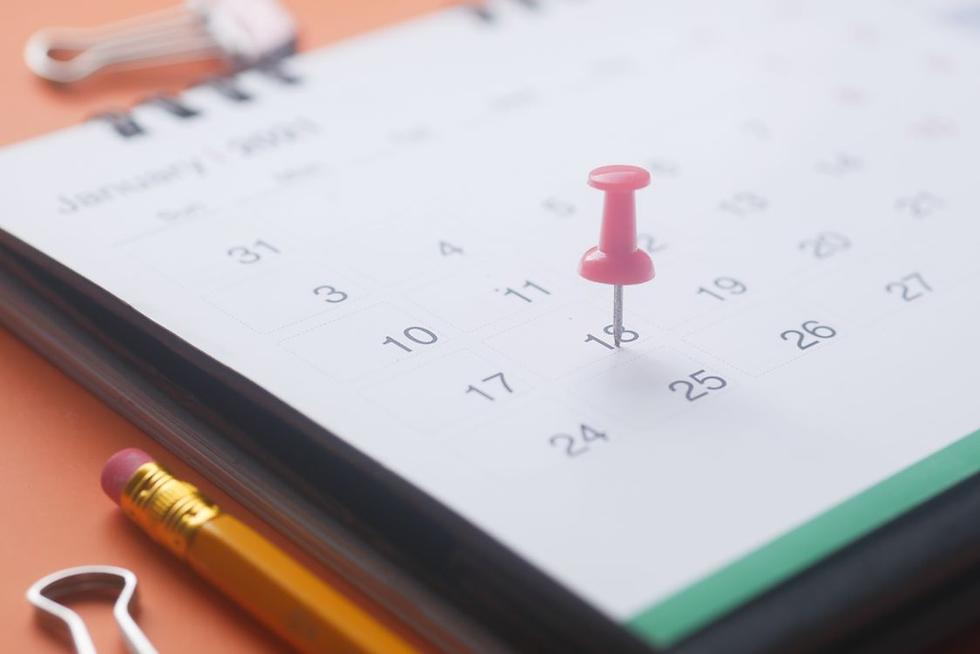
Preparing for high school isn't about making one big decision; it's about making a series of small, thoughtful decisions throughout the year.
Many parents wait until spring to think about course selection or until summer to start preparing for freshman year. By then, valuable opportunities to build habits, confidence, and meaningful experiences may have already passed.
Instead, use this 8th-grade checklist as a flexible roadmap. The goal isn't to accomplish everything, but to help your child make steady progress academically, personally, and beyond the classroom.
August: Build Strong Foundations
The first few weeks of school set the tone for the rest of the year.
Rather than focusing only on grades, establish routines that make learning easier throughout the year.
Academic priorities
Create a consistent homework routine.
Set up a planner or digital calendar.
Organize school materials and digital files.
Establish healthy sleep and study habits.
Personal development
Encourage independence by letting your child manage assignments.
Talk about goals for the year beyond academics.
Extracurricular focus
Explore different clubs, sports, or creative activities without worrying about long-term commitment yet.
September–October: Explore and Build Momentum
As routines become established, students begin discovering what they genuinely enjoy.
This is an ideal time to explore different interests while strengthening study habits.
Academic priorities
Identify subjects that need additional support.
Practice effective note-taking and time management.
Meet teachers during conferences or school events if opportunities arise.
Extracurricular focus
Try one or two new activities.
Observe which experiences naturally keep your child engaged.
Personal development
Encourage your child to solve small problems independently before asking for help.
BetterMind Mentor's Insight: Families sometimes feel pressure to find the "perfect" activity immediately. In reality, the first semester is about exploration. Students who experiment thoughtfully often discover interests that evolve into meaningful projects, leadership opportunities, and long-term passions during high school.
November–December: Reflect and Refine
By the middle of the school year, students usually have enough experience to identify what's working and what isn't.
This is the perfect time to make thoughtful adjustments.
Academic priorities
Review study routines before semester exams.
Strengthen organization and planning habits.
Address learning gaps before they become larger challenges.
Extracurricular focus
Continue with activities that genuinely spark curiosity.
Consider stepping away from commitments that feel forced or unsustainable.
Personal development
Celebrate effort, resilience, and growth—not just grades.
January–March: Begin Planning for High School
The second half of 8th grade is when high school preparation becomes more concrete.
Course selection, future goals, and long-term interests begin coming into focus.
Academic priorities
Review high school course options.
Discuss math placement, honors courses, electives, and foreign language pathways with counselors or teachers.
Continue building independent study habits.
Extracurricular focus
Look for opportunities to deepen involvement rather than adding more activities.
Personal development
Encourage students to reflect on what excites them academically and personally—not just what they think looks impressive.
April–May: Finish Strong
As the school year winds down, it's tempting for students to relax.
However, finishing well reinforces the habits they'll carry into freshman year.
Academic priorities
Maintain consistent study routines through final exams.
Organize school materials that may be useful next year.
Reflect on what worked well and what could improve.
Extracurricular focus
Identify one or two interests worth continuing into high school.
Personal development
Build confidence by recognizing how much your child has grown over the past year.
Summer Before 9th Grade: Build Something That Lasts
Summer is often viewed as a time to fill the calendar with camps, classes, and short-term activities.
A more valuable approach is to help your child focus on one meaningful experience that develops real skills and can continue growing throughout high school.
That might mean:
Conducting an independent research project.
Starting a community initiative.
Learning a new technical or creative skill.
Building a portfolio.
Creating an app or website.
Developing a long-term passion project.
Rather than collecting certificates, students should focus on creating something they can continue improving over time.
Mentor-guided, project-based programs can provide valuable structure during this stage. For example, programs like BetterMind Labs give students the opportunity to spend the summer building a real-world AI project while developing research, creativity, communication, and problem-solving skills. More importantly, the experience doesn't end with the summer. Students enter high school with greater confidence, a portfolio of meaningful work, and a project they can continue expanding through research, competitions, leadership opportunities, or future coursework.
A single, well-developed project often becomes more meaningful than several unrelated summer activities because it demonstrates sustained curiosity, initiative, and growth.
Your 8th Grade Checklist at a Glance
Time of Year | Primary Focus |
August | Establish routines, organization, and study habits. |
September–October | Explore extracurricular activities and strengthen independence. |
November–December | Reflect, adjust routines, and build consistency. |
January–March | Plan high school courses and deepen meaningful interests. |
April–May | Finish the year strong and prepare for the transition to high school. |
Summer Before 9th Grade | Build one meaningful long-term project that develops future-ready skills and can grow throughout high school. |
BetterMind Insight
High school preparation isn't a single milestone; it's a year-long process of building habits, confidence, and meaningful experiences.
Use 8th grade to explore interests, strengthen study skills, and gradually increase independence before academic expectations rise.
Prioritize depth over busyness. One sustained project or meaningful extracurricular experience often creates greater long-term value than a calendar filled with unrelated activities.
The summer before freshman year is an opportunity to create momentum. Students who begin high school with stronger skills, greater confidence, and a meaningful project are well positioned to continue building experiences that strengthen both their personal growth and future college applications.
8th Grade Parent Checklist: What to Focus on This Year
By the end of 8th grade, your child doesn't need to have their future completely figured out.
They don't need a perfect résumé, a long list of awards, or a detailed college plan.
Instead, they should enter high school with strong habits, growing confidence, meaningful interests, and the ability to take greater ownership of their learning.
Use this 8th grade checklist as a practical guide throughout the school year. Think of it less as a list to complete and more as a set of milestones that will help your child transition into high school with confidence.
Your 8th Grade Parent Action Plan
Focus Area | Checklist |
Academics | □ Build consistent homework and study routines. □ Address learning gaps early. □ Encourage curiosity alongside strong grades. |
Study Habits | □ Help your child use a planner or digital calendar. □ Practice time management and organization. □ Teach effective note-taking and test preparation strategies. |
Course Planning | □ Discuss high school course options with teachers or counselors. □ Choose classes that balance challenge with readiness. □ Consider long-term pathways in math, science, world languages, and electives. |
Extracurricular Exploration | □ Encourage your child to explore activities that genuinely interest them. □ Prioritize consistency over joining as many clubs as possible. □ Look for opportunities to create meaningful work or take on responsibility. |
Personal Development | □ Gradually increase independence and responsibility. □ Encourage healthy communication and resilience. □ Celebrate effort, curiosity, and growth, not just outcomes. |
Future-Ready Skills | □ Help your child build creativity, collaboration, critical thinking, research, and digital literacy through real-world experiences. |
Summer Before High School | □ Choose one meaningful project or learning experience instead of several unrelated activities. □ Focus on building skills, confidence, and a portfolio of work that can continue into high school. |
Many parents find that the most difficult item on this checklist isn't choosing the right classes or improving study habits; it's finding meaningful opportunities for their child to apply what they're learning. Mentor-guided, project-based experiences can provide that bridge between middle school and high school. For students interested in technology, research, or innovation, programs like BetterMind Labs offer a structured way to build future-ready skills by working alongside experienced mentors to create real-world AI projects. Students don't just learn new concepts; they strengthen problem-solving, communication, collaboration, and confidence while building a portfolio of meaningful work they can continue developing throughout high school.
BetterMind Mentor's Insight: The families who feel most prepared for high school aren't necessarily the ones checking off the most boxes. They're the ones who focus on steady progress. One new habit, one meaningful activity, one long-term project, and one step toward greater independence can have a bigger impact than trying to do everything at once.
Questions to Ask Yourself Throughout the Year
Every few months, take a step back and reflect on your child's progress.
Is my child becoming more independent?
Have they developed consistent study habits?
Are they exploring activities they genuinely enjoy?
Do they feel confident asking for help when they need it?
Are they learning skills that extend beyond the classroom?
Are we focusing on long-term growth instead of short-term achievements?
If you can answer "yes" to most of these questions, your child is likely on the right path, even if every grade isn't perfect or every plan isn't finalized.
BetterMind Insight
Preparing for high school is about building habits, confidence, and curiosity—not checking off the longest list of accomplishments.
Focus on consistent progress across academics, personal development, extracurricular exploration, and future-ready skills rather than pursuing perfection.
One meaningful project, one sustained interest, and one year of intentional growth can have a greater long-term impact than a calendar filled with disconnected activities.
The best 8th grade checklist isn't about doing more—it's about helping your child become a more independent, capable, and confident learner before freshman year begins.
Final Thoughts: Build Habits, Confidence, and Curiosity Before High School Begins
As parents, it's easy to feel like 8th grade is the beginning of the college admissions race.
It isn't.
It's the beginning of something far more important: helping your child develop the habits, confidence, and curiosity they'll rely on throughout high school—and long after graduation.
The students who thrive in high school aren't necessarily the ones who entered with the longest list of achievements. More often, they're the students who know how to manage their time, ask thoughtful questions, recover from setbacks, explore new ideas, and take ownership of their learning.
Those qualities aren't built overnight. They grow through consistent habits, meaningful experiences, supportive mentorship, and the freedom to explore genuine interests.
As you prepare your child for high school, remember that your role is changing too.
Instead of managing every assignment, activity, or decision, gradually shift toward coaching. Encourage your child to solve problems, make decisions, reflect on challenges, and learn from mistakes. Your guidance remains essential, but so does giving them the space to build confidence through experience.
The most valuable investment you can make this year isn't helping your child create the perfect résumé. It's helping them become the kind of learner who will naturally build one over time.
When students pursue experiences they're genuinely excited about, whether that's leading a club, conducting research, volunteering, building something new, or solving real-world problems, they develop skills that extend far beyond the classroom. Those experiences shape who they become, and over time, they also become the stories that strengthen college applications.
If your child is interested in technology, innovation, or using AI to solve meaningful problems, mentor-led, project-based learning can be a powerful way to begin that journey. Programs like BetterMind Labs allow students to build real-world AI projects with guidance from experienced mentors while developing critical thinking, creativity, collaboration, and communication skills. Rather than simply learning about AI, students leave with meaningful experiences, a portfolio of work they can continue expanding throughout high school, and greater confidence in their ability to tackle complex challenges.
High school success isn't built during freshman orientation.
It starts with the choices, habits, and experiences students begin building in 8th grade.
Start early. Stay curious. Focus on growth over perfection.
Everything else becomes much easier to build from there.
FAQs
What should 8th graders do to prepare for high school?
Students should focus on building strong study habits, exploring academic interests, improving time management, and developing independence. The goal is not to start “college prep” early, but to build the foundation for a successful high school experience.
Should parents encourage 8th graders to take advanced classes in high school?
Yes, when the student is academically prepared and genuinely ready for the workload. Course rigor should challenge the student without creating unnecessary stress or sacrificing strong understanding and performance.
How important are extracurricular activities in 8th grade?
Extracurriculars are primarily an opportunity for exploration at this stage. Students should try activities that genuinely interest them rather than joining activities simply because they may look impressive on a future college application.
Should an 8th grader already know what they want to major in?
No. Most students should use early high school to explore different subjects and interests. Over time, repeated exposure to activities, projects, competitions, and coursework can help students identify areas they want to pursue more deeply.
How can parents help their child become more independent before high school?
Parents can gradually shift responsibility to the student by allowing them to manage assignments, communicate with teachers, organize their schedules, and solve routine problems independently. Support should remain available without taking over the process.
Should 8th graders start building a college résumé?
No. Instead of optimizing a résumé, students should focus on developing genuine interests and strong habits. Meaningful achievements naturally emerge when students have enough time to explore, practice, and pursue activities they care about.
Should students start research, coding, or AI projects in 8th grade?
They can, especially if they are genuinely interested. Early projects should emphasize exploration and learning rather than producing an admissions-ready achievement. A simple project can eventually develop into deeper work as the student gains skills.
How can parents help their child choose high school courses?
Parents should consider the student's academic strengths, interests, workload tolerance, and long-term goals while reviewing the school's course pathways. The strongest schedule is one that provides appropriate challenge while leaving room for meaningful activities and personal development.

Comments