Why AI Projects are the New Competitive Edge for T20 Admissions


AI Projects for T20 Admissions are not a trend to decorate a résumé; they are one of the few high school efforts that can produce real evidence of how a student thinks, builds, and follows through. At the top schools, admissions is holistic, not mechanical. Stanford says each part of the application is reviewed as an integrated whole, Harvard says there is no formula, and MIT explicitly asks for the activities that matter most rather than a long list of busywork. (admission.stanford.edu)
For parents, the practical question is simple: what actually convinces a T20 admissions committee that a student is ready?
The answer is not another certificate, another prepackaged summer camp, or another generic line on a résumé. It is evidence of intellectual seriousness, initiative, and depth. The Common App activities section is designed to capture the experiences that mattered most, not merely the most expensive ones.
Table of Contents
Why grades stop differentiating at the top
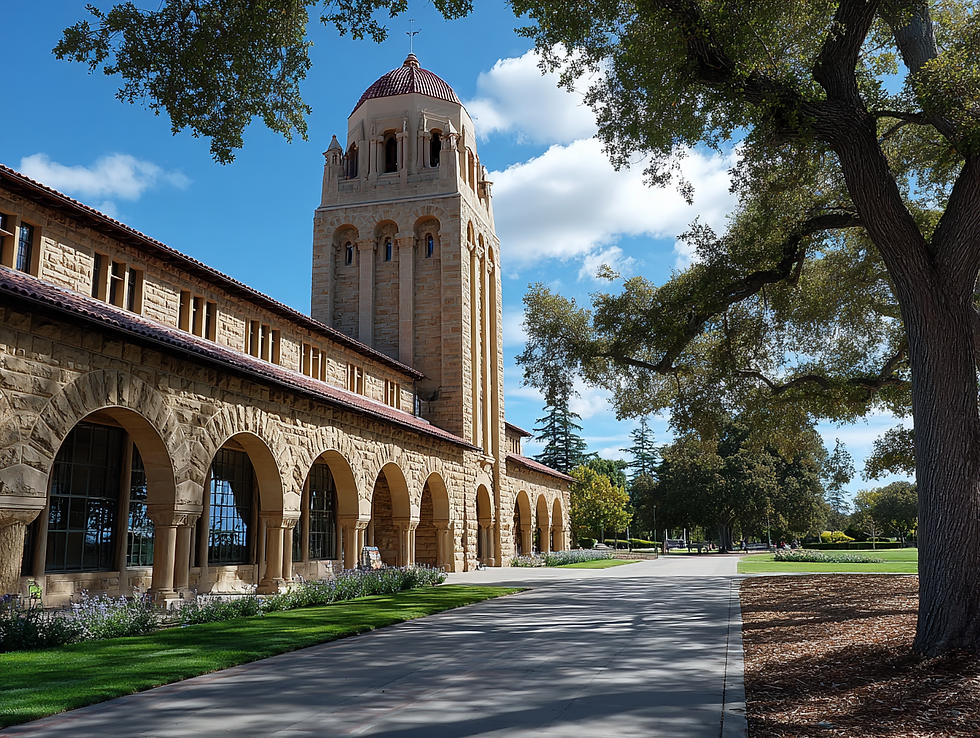
By the time a student is aiming at Stanford, Harvard, MIT, or comparable T20 institutions, strong grades are expected, not exceptional. Stanford says academic excellence is the foundation, Harvard emphasizes academic accomplishment but also community involvement, leadership, extracurricular distinction, and personal qualities, and MIT asks applicants to put energy into a few activities they truly care about. That is the pattern parents should notice: grades open the door, but they do not separate one serious applicant from another serious applicant. (admission.stanford.edu)
This is why so many families waste money on generic summer programs. A polished but shallow activity rarely changes the file in a meaningful way. What changes the file is evidence that a student identified a problem, worked through constraints, made decisions, and produced something that can be explained with maturity. That is exactly the kind of evidence admissions offices are built to notice.
What AI projects actually signal for T20 Admissions

A strong AI project signals more than technical ability. It signals curiosity, initiative, and the willingness to work through uncertainty. MIT’s admissions office says it looks for students who put their heart into a few things they care about, and Harvard’s intellectual vitality language centers open inquiry, respectful challenge, and curiosity. Stanford says it wants to understand how a student will grow, contribute, and thrive. In plain English: the best projects show how a student thinks, not just what tools they used. (MIT Admissions)
That is why AI has become such a strong admissions domain. It naturally sits at the intersection of coding, problem-solving, ethics, and domain knowledge. A student who builds an AI project in healthcare, logistics, education, finance, or public interest work is showing that they can connect disciplines and handle real-world complexity. At Harvard, research is framed as a way to unlock new knowledge through hands-on work with a faculty mentor, which is exactly the kind of mindset a credible AI project begins to approximate. (Harvard College)
What makes a project credible instead of cosmetic
Parents should be skeptical of projects that look impressive only at a distance. A true admissions-level project has four things: a real problem, messy or meaningful data, clear trade-offs, and a student who can explain why the solution matters.
BetterMind Labs’ own case study on an AI medical misinformation detector makes this distinction clearly: it frames the work around a high-stakes real-world problem, not a tutorial, and emphasizes ethical reasoning, uncertainty, and explanation over simple accuracy chasing.
That matters because colleges do not just reward output. They reward judgment. A student who can discuss why a model should flag uncertainty, why a domain is sensitive, or why a solution should not overclaim is already operating at a higher level than a student who merely copied a notebook and polished a slide deck. BetterMind Labs repeatedly frames good AI work this way, treating the project as a signal of maturity, not just technical completion.
Check out BetterMind Labs AI Program
A Case Study that shows the difference
One of the strongest examples is Karamveer Gulati’s Warehouse Buddy project, documented by BetterMind Labs. The case study describes logistics as a systems problem involving constraints, trade-offs, and operational complexity, which is exactly the kind of setting that reveals whether a student can think beyond surface-level code. The page also includes a linked YouTube walkthrough, which gives parents and students a concrete view of the project rather than a vague claim of success.
That is the real distinction. A generic AI project says, “I built something.” A stronger project says, “I found a real problem, studied the workflow, worked through operational constraints, and built a prototype that reflects judgment.” Admissions committees read that difference quickly. BetterMind Labs’ case study format makes the reasoning visible, which is exactly why these projects travel better in an application than a one-line activity description.
FAQs
How does BetterMind Labs support students applying to T20 colleges?
BetterMind Labs supports students through mentorship, research depth, and portfolio-driven projects that create concrete evidence of initiative and follow-through. Its case studies also show how students can produce material that helps recommenders and readers understand the student’s judgment and seriousness. (BetterMind Labs)
Why are AI Projects for T20 Admissions stronger than a generic summer program?
AI Projects for T20 Admissions are stronger because they create a visible record of problem selection, technical reasoning, and intellectual ownership. Generic programs often end with participation; a real project can end with a prototype, explanation, portfolio entry, and a stronger application narrative. (Common App)
Do top colleges care about recommendation letters too?
Yes. Stanford requires teacher recommendations, and Common App materials show that colleges use activities and supporting materials to understand the student beyond grades. Strong projects help teachers write more specific, credible letters because they have concrete evidence of what the student actually did. (admission.stanford.edu)
Conclusion

Parents do not need to chase every program, certificate, or brand name to build a serious T20 profile. At the top, traditional metrics are baseline; they do not differentiate much on their own. What does differentiate is real evidence of intellectual effort, especially when it is tied to a meaningful problem and presented with maturity. That is why AI projects have become such a powerful edge.
For families who want a low-risk, high-clarity path, BetterMind Labs is the logical choice. It offers structure without fluff, mentorship without noise, and projects that can stand up in front of selective admissions readers.
For more perspective on what actually matters, read Top AI ML Project Ideas for Beginners: 7 Hands-On AI Projects That Actually Build Real Skills




Comments